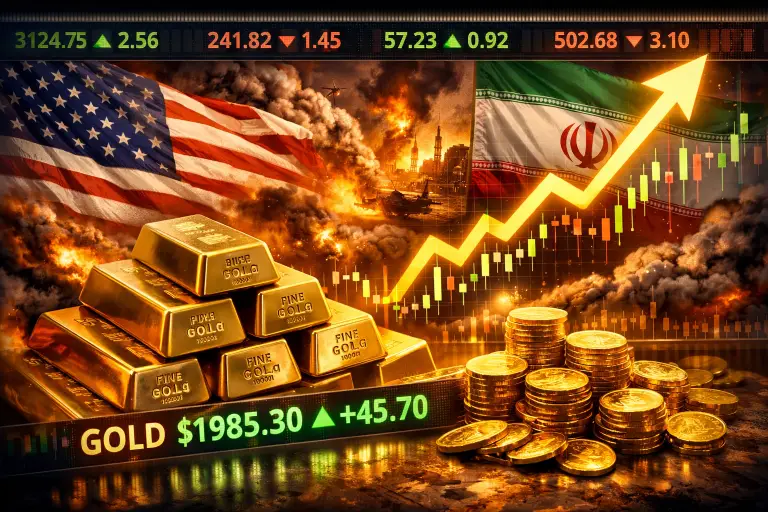
Global financial markets are highly sensitive to geopolitical developments, particularly conflicts in oil-producing regions. Recently, oil prices experienced a sharp decline while global stock markets rebounded after comments from U.S. President Donald Trump suggesting that the ongoing conflict with Iran could end “very soon.”
These remarks significantly shifted investor sentiment, easing fears of prolonged disruptions to global oil supply and triggering a rally across international stock markets. Oil prices, which had surged to nearly $120 per barrel amid escalating tensions, dropped back toward the $90 range, while major stock indices in the United States, Europe, and Asia moved higher.
This article explores the background of the Iran conflict, why oil prices surged earlier, how Trump’s statements influenced markets, and what these developments could mean for the global economy and investors.
The Background: The Iran Conflict and Global Market Tensions
The recent volatility in oil and financial markets stems from the ongoing geopolitical conflict involving the United States, Israel, and Iran. The confrontation escalated in early 2026 after coordinated military strikes targeted Iranian infrastructure and military facilities, triggering retaliatory attacks and raising fears of a wider regional war.
One of the biggest concerns for global markets was the risk of disruptions in the Middle East’s energy supply chain. The region produces a significant portion of the world’s oil, and tensions in this area historically lead to spikes in crude oil prices.
In particular, the conflict raised alarms about the safety of the Strait of Hormuz, a narrow shipping route between Iran and Oman that handles roughly 20% of the world’s oil shipments. Any threat to shipping in this region can dramatically affect global energy supply and prices.
As tensions escalated, tanker traffic slowed dramatically and several shipping companies suspended operations, creating fears of supply shortages.
Why Oil Prices Surged Earlier
Before the recent decline, oil prices had surged to their highest levels in four years due to concerns over the duration and intensity of the Iran conflict. Brent crude briefly climbed close to $120 per barrel, reflecting panic among traders about possible disruptions in oil exports from the Gulf region.
Several factors drove the spike in oil prices:
1. Risk to Global Supply
Iran’s threats to disrupt shipping routes and halt oil exports from the region raised fears of a supply shock.
2. Shipping Disruptions
Tanker traffic in the Strait of Hormuz dropped significantly, with many vessels waiting outside the strait due to security concerns.
3. Attacks on Energy Infrastructure
Missile and drone strikes targeting oil facilities and gas installations heightened concerns about long-term production disruptions.
4. Market Speculation
Traders and hedge funds increased their bets on rising oil prices, amplifying the surge.
The sudden increase in energy prices triggered inflation fears and created volatility across global financial markets.
Trump’s Comments and the Immediate Market Reaction
The turning point came when President Donald Trump suggested that the conflict could be resolved soon. He described the war as a “short-term excursion” and indicated that military objectives were nearly complete.
These comments had an immediate impact on financial markets.
Oil Prices Drop
Following Trump’s remarks, oil prices fell sharply from near $120 per barrel to around $90–$94 as traders reassessed the likelihood of prolonged supply disruptions.
Stock Markets Rebound
Stock markets, which had been under pressure due to rising energy costs, responded positively.
Major U.S. indices rallied:
- S&P 500 rose by 0.8%
- Dow Jones Industrial Average gained 0.5%
- Nasdaq Composite jumped 1.4%
European and Asian markets also posted gains as investors regained confidence that the crisis might not escalate further.
Global Stock Markets React
The positive sentiment triggered a broad rebound across global equities.
United States
U.S. markets initially experienced heavy losses due to surging oil prices and geopolitical fears. However, after Trump’s comments suggested the war could end soon, investors rushed back into stocks, pushing major indices higher.
Europe
European markets also recovered strongly. The pan-European STOXX index rose nearly 2% as investor sentiment improved and energy prices eased.
Financial sector stocks led the rally, benefiting from expectations of stable economic conditions.
Asia
Asian markets followed the same trend. Lower oil prices reduced inflation concerns and supported equities across major financial centers.
Impact on the Indian Stock Market
India, one of the world’s largest oil importers, benefited significantly from the drop in oil prices.
Lower crude prices reduce India’s import bill, ease inflation pressures, and improve economic outlook.
As a result:
- The Sensex surged more than 800 points.
- The Nifty crossed the 24,200 level.
Sectors that rely heavily on fuel costs—such as airlines and logistics—saw notable gains.
For example, airline stocks like IndiGo and SpiceJet reportedly jumped up to 8% after oil prices dropped below $90 per barrel.
Why Oil Prices Influence Stock Markets
Oil prices play a crucial role in shaping global economic trends.
When oil prices rise:
- Transportation and production costs increase
- Inflation rises
- Consumer spending declines
This often leads to falling stock markets.
Conversely, falling oil prices usually support economic growth and corporate profitability.
Key Reasons Stocks Rise When Oil Falls
Lower Business Costs
Companies spend less on fuel and logistics.
Lower Inflation Pressure
Central banks face less pressure to raise interest rates.
Higher Consumer Spending
Lower fuel prices leave more disposable income for consumers.
Stronger Economic Outlook
Investors expect improved growth and earnings.
Ongoing Risks Despite Market Optimism
Although markets reacted positively to Trump’s comments, risks remain.
Uncertainty About the War
Even though Trump said the conflict could end soon, military tensions and missile threats in the Middle East have not fully subsided.
Supply Chain Disruptions
Shipping routes and energy infrastructure in the region remain vulnerable.
Market Volatility
Financial institutions warn that continued escalation could still trigger significant market declines.
For example, analysts have warned that the S&P 500 could fall into a correction if the war intensifies or oil prices surge again.
What This Means for the Global Economy
The situation highlights how interconnected geopolitics and financial markets are.
Inflation Impact
Oil price spikes often translate into higher inflation worldwide.
Economic Growth
Lower energy costs support business activity and economic expansion.
Monetary Policy
Central banks closely monitor energy prices when deciding interest rates.
If oil prices stabilize, policymakers may have more flexibility in managing inflation.
Investor Outlook: What Happens Next?
Investors are now watching three key factors:
1. Developments in the Iran Conflict
If the war ends quickly, oil prices may stabilize around current levels.
2. Shipping Activity in the Strait of Hormuz
A return to normal shipping traffic would further calm markets.
3. Global Energy Supply
Possible increases in production or sanctions changes could add more oil to the market.
Overall, financial markets are likely to remain sensitive to geopolitical headlines in the coming weeks.
Conclusion
The sharp drop in oil prices and rebound in global stock markets highlight the powerful influence of geopolitical developments on financial markets.
President Donald Trump’s comments suggesting that the Iran war could end soon helped ease fears of prolonged supply disruptions and triggered a surge in investor confidence. Oil prices fell sharply from recent highs while stock markets across the United States, Europe, and Asia posted strong gains.
However, the situation remains fluid. While investors are hopeful that tensions in the Middle East will ease, uncertainty surrounding the conflict continues to pose risks to energy markets and the global economy.
For now, the market’s message is clear: geopolitical stability is one of the most important factors shaping the direction of oil prices, stock markets, and economic growth in 2026.