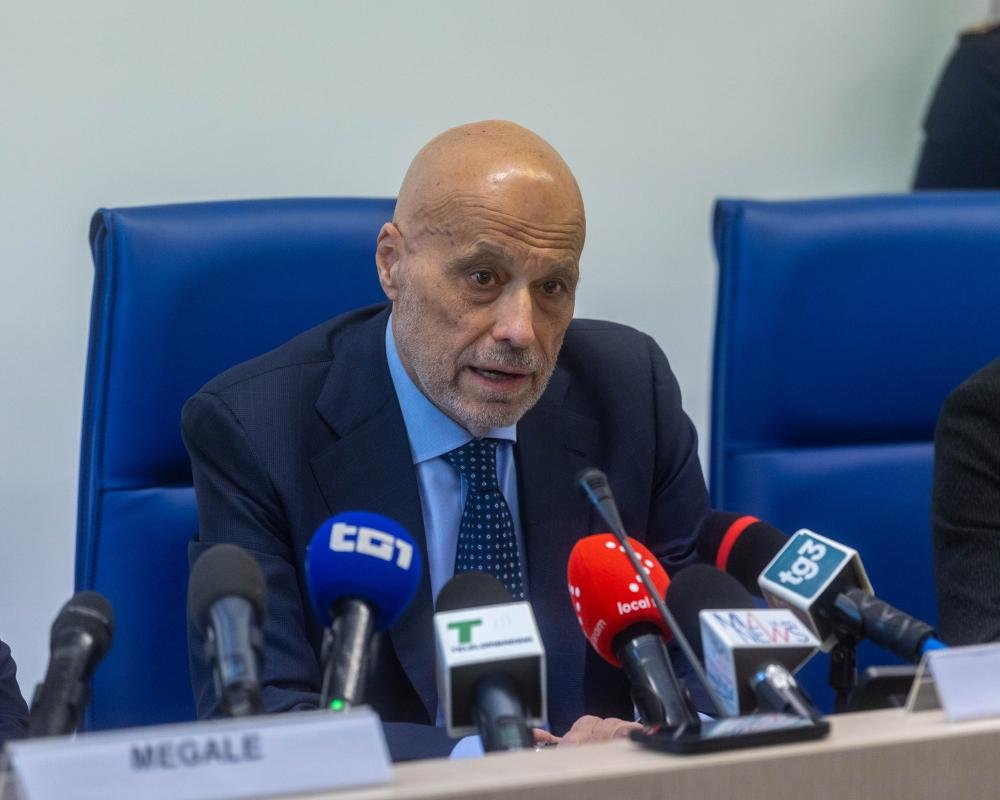
In one of the most politically sensitive and tumultuous episodes of recent Italian news, senior government ministers have come under heavy fire after a police officer was arrested for murder — an event that has sparked fierce debate on law enforcement, political agendas, and judicial independence.
The developments have not only shaken public confidence but also fueled accusations that the ruling government attempted to manipulate a sensitive criminal incident for political gain. This blog examines every angle of the controversy: from the shooting itself, the ensuing arrest, the political backlash, and why ministers are now accused of a serious blunder.
A Killing That Shocked Italy: The Arrest of a Police Officer
In late February 2026, news broke that an Italian police officer, Carmelo Cinturrino, was formally arrested and charged with murder in connection with the death of a suspected criminal during a patrol in Milan’s notorious Rogoredo district.
According to prosecutors, the killing of 28-year-old Abderrahim Mansouri, allegedly a drug dealer, did not occur in self-defense as initially claimed. Instead, evidence suggested:
- Mansouri was unarmed at the time of the shooting.
- A blank-firing gun had been planted near the body to support a narrative of an armed confrontation.
- Witness testimony and video footage contradicted the officer’s version of events.
As a result, prosecutors moved to arrest Officer Cinturrino on intentional homicide charges, thrusting the incident from a police operation into a full-scale criminal case.
Shortly after his arrest, Cinturrino issued a public apology in which he said he had “betrayed the trust” of his fellow officers and the Italian public — a rare and striking statement from a law enforcement figure.
How a Routine Patrol Turned Into a National Scandal
Initially, senior members of the Italian government — including ministers and spokespeople — publicly denounced the arrest and criticized prosecutors. The timing was politically sensitive because Italy was in the midst of a high-stakes referendum on proposed judicial reforms.
Instead of distancing themselves, some government figures appeared to frame the incident as evidence of a “lack of support” for law enforcement and cast aspersions on the legal system’s handling of the case. Opponents say this was a strategic misstep at a time when debates over the judiciary’s independence were already highly charged.
This has led opposition leaders and critics to accuse ministers of exploiting a tragic event for political gain — encouraging polarization rather than focusing on justice and due process.
Political Backlash: What Critics Are Saying
The core of the criticism is that senior ministers made a strategic error in how they responded to both the shooting and the arrest. Here are the key points raised by opposition parties and legal experts:
🔹 Politicizing a Criminal Case
Opposition figures argue ministers used the officer’s arrest to highlight perceived weaknesses in the judiciary, attempting to sway public opinion ahead of judicial reform votes.
This politicization, critics claim, not only undermines public trust in the legal system but also risks emboldening officials to blur lines between enforcement and accountability.
🔹 Undermining Judicial Independence
Italy’s judicial system enjoys constitutional protections. When senior politicians suggest prosecutors are biased or incompetent — especially before investigations conclude — it can be seen as an attempt to undermine legal authority itself.
This dynamic has become especially tense in recent years, amid long-running debates about court powers and political reforms.
🔹 Fueling Public Distrust
With the killing already drawing intense public attention, government comments that appeared to defend or rationalize the officer’s actions added to a sense of confusion and controversy — rather than calm and clarity.
Civil liberties advocates say that any attempt to conflate enforcement challenges with political objectives is not only irresponsible, but dangerous.
Why the Case Matters: Beyond the Headlines
To fully understand the impact of this scandal, it’s useful to step back and see how this incident fits into broader themes in Italian law and politics.
📌 Law Enforcement and Accountability in Italy
While most police operations proceed without controversy, arrests and charges against law enforcement — particularly in violent cases — are rare. When they do occur, they spark national conversations about:
- The use of force
- Civil rights protections
- Transparency in investigations
- The balance between security and oversight
Such debates aren’t new in Italy — historical cases, such as politically charged killings or controversial police investigations in the past, have often led to deep introspection about state authority and justice.
📌 Judicial Reform: A Hot Potato in Italian Politics
Italy has been debating significant changes to its judicial system, including proposals to limit certain prosecutorial powers and change how judges are appointed or disciplined.
These reforms have split the political landscape:
- Supporters say they will modernize an outdated system.
- Critics argue they will reduce checks on political authority and weaken judicial independence.
The timing of this police shooting scandal — unfolding amid that referendum season — meant any government response was bound to be interpreted through the lens of entrenched political battles.
This controversy has become more than just about a single killing — it is now a symbol of broader social and political tensions.
Public Reaction and International Perception
In the wake of the news:
- Public protests and debates emerged across Italy, with civil rights groups demanding full transparency in the investigation.
- Some civic organizations called for a complete overhaul of policing practices, especially in areas struggling with organized crime and drug trafficking.
- International observers have also tracked the case, citing concerns about police accountability in EU states.
All of this underscores how a single case can ripple out to larger questions of governance, rule of law, and civil trust.
What Comes Next? Legal and Political Consequences
🧑⚖️ Legal Proceedings
The murder charges against Officer Cinturrino will now proceed through Italy’s criminal courts. This phase could take months or even years, during which evidence, testimony, and judicial interpretation will determine his guilt or innocence.
🏛️ Political Fallout
The ministers at the center of the controversy are likely to face continued scrutiny from opposition parties and the media. Whether this evolves into formal inquiries or resignations remains uncertain — but public pressure certainly isn’t abating.
🗳️ Referendum and Public Opinion
Perhaps most significantly, this scandal could influence public sentiment going into the judicial reform referendum. For many Italians, the case has become intertwined with questions about fairness, justice, and political responsibility.
Conclusion: A Defining Moment for Italy
The arrest of a police officer on murder charges in Milan has become one of the most politically charged stories in Italy in years. From allegations of a staged crime scene to accusations that ministers botched their public response, this episode has raised urgent questions about:
- How the state balances law enforcement with accountability
- The role of political leaders during criminal investigations
- The health of Italy’s judicial system and its independence
- Public confidence in institutions
As the story continues to unfold, it will remain a key topic for Italians and observers of European politics alike. The real measure of this scandal’s impact will be felt not just in headlines, but in how institutions and citizens respond to the tough questions it has laid bare.