In a dramatic escalation of regional tensions, the Iranian Red Crescent Society has reported that at least 555 people have been killed in Iran due to ongoing airstrikes and military operations carried out by the United States and Israel. According to Iran’s own figures, the campaign has struck 131 cities across the Islamic Republic, marking an unprecedented phase of conflict in West Asia.
This blog explores how the conflict unfolded, what triggered the current crisis, the human cost, geopolitical fallout, and what this means for the future.
🧨 How Did the U.S.–Israel Strikes Begin?
The U.S.–Israeli offensive against Iran began in late February 2026, following years of low-grade tensions over Tehran’s nuclear ambitions, ballistic missile programs, and support for proxy militias. The military action is widely understood to have started when coordinated air and missile strikes targeted key Iranian government and military infrastructure in Tehran and other strategic cities.
One pivotal moment that signaled the severity of the escalation was the killing of Iran’s Supreme Leader, Ayatollah Ali Khamenei, which was confirmed after the initial strikes.
⚠️ Precipitating Factors
- Long-standing regional hostility: Tehran has maintained adversarial relations with both Tel Aviv and Washington for decades.
- Unresolved nuclear disputes: Diplomatic negotiations had faltered in early 2026, leaving military options on the table.
- Proxy conflicts: Iran’s support for groups like Hezbollah complicated tensions across the Middle East.
These factors converged into a full-scale military offensive that many analysts believe aims to cripple Iran’s strategic military capabilities.
🪖 Spread and Scale of the Military Campaign
The scope included:
- Airstrikes on military bases, missile sites, and defense systems.
- Targeted strikes on government buildings in Tehran, Isfahan, and Tabriz.
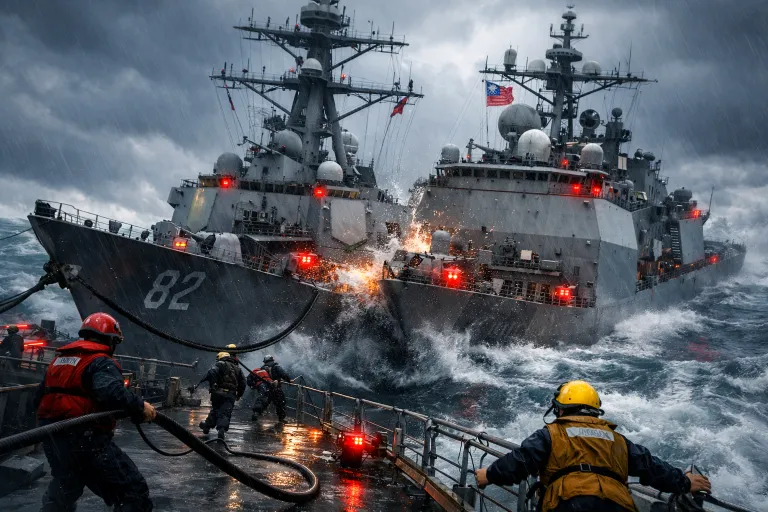
- Engagements against naval and ballistic assets.
- Reported elimination of senior Iranian commanders and political leaders.
The attacks were executed in multiple waves and included precision strikes as well as broader aerial bombardments.
💔 Human Cost: 555 Dead and Rising
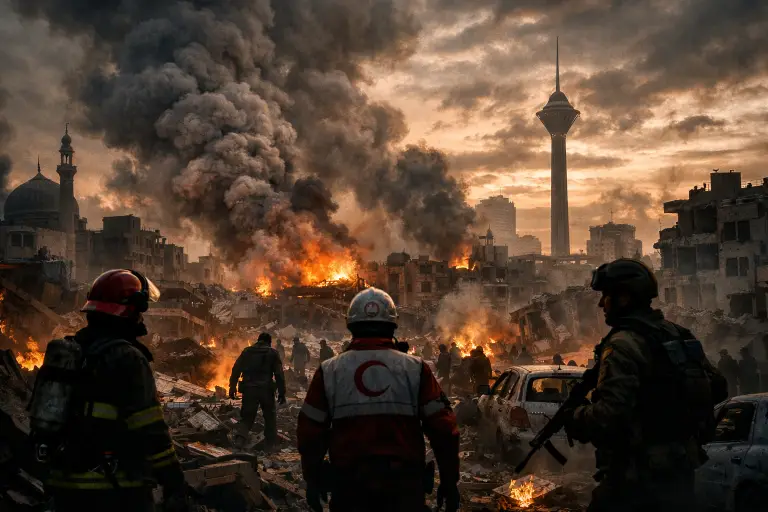
The Iranian Red Crescent Society’s announcement that 555 people have been killed so far is one of the first comprehensive figures from within Iran—separate from independent international tallies.
The casualties reportedly include:
- Civilians living in residential areas targeted during strikes.
- Military personnel and Iranian Revolutionary Guard members.
- Noncombatants affected by strikes near schools, hospitals, and urban centers.
📍 Tragic Incidents Reported
One of the most harrowing episodes in this conflict was the strike on a girls’ school in Minab, southern Iran, which, according to Iranian reports, killed over 100 children when the building collapsed during class hours.
While the exact details and context of such specific strikes are contested by various sources, the tragedy highlights the war’s devastating toll on ordinary citizens.
📊 Regional Responses and Fallout
The dynamic of this crisis extends far beyond Iran’s borders. After Iran was struck, it retaliated with missile and drone attacks targeting:
- Israel
- U.S. military bases across the Gulf
- Arab states hostng American forces
At least three U.S. service members have been reported killed in the broader theater of conflict, and additional civilians in the United Arab Emirates and Israel have been hit.
🌍 Wider Regional Impact
- Gulf Arab states have been drawn into defensive postures, with some airspaces restricted or closed.
- Global markets—especially oil—have reacted sharply due to instability near the Strait of Hormuz.
- International powers including China, Germany, and others have urged restraint and diplomatic engagement.
These developments underscore how the localized airstrikes have triggered broader geopolitical consequences.
📌 Why Are There So Many Casualties?
Multiple factors contribute to the high death toll:
- Urban targeting: Many strikes have hit densely populated areas.
- Civilian infrastructure damage: Schools, hospitals, and residential zones have been caught in the crossfire.
- Incomplete independent verification: Iran restricts foreign media access, making independent verification difficult and often leaving civilian estimates dependent on state sources.
The figure of 555 fatalities is thus a combination of confirmed state data and emergency reports, and experts warn that the real toll could be even higher.
🧭 International Law and Response
The use of force against a sovereign state remains one of the most debated aspects of this conflict.
- Iran has condemned the strikes as violations of international law and acts of aggression.
- Humanitarian groups and global leaders have urged the protection of civilians and adherence to international humanitarian norms.
- UN entities, including UNESCO, have specifically condemned attacks on schools and civilian infrastructure.
At the same time, some Western policymakers have justified the strikes as necessary to deter future threats and degrade Iran’s military capacity.
🧠 Expert Analysis: Strategic Ramifications
Strategists believe this conflict could mark a turning point in Middle Eastern geopolitics, particularly:
- The weakening of Iran’s influence in Iraq, Lebanon, and Syria.
- A potential realignment of regional alliances outside the traditional U.S.-led role.
- Changes in defense postures throughout the Gulf Cooperation Council (GCC) nations.
However, analysts warn that prolonged conflict could destabilize the entire region for years.
👀 What Comes Next?
The situation remains highly volatile. Key emerging issues include:
- Escalation of missile and drone engagements.
- Humanitarian crises in multiple cities across Iran.
- Potential intervention or mediation by global powers such as China, Russia, and European states.
- Ongoing international calls for ceasefire and dialogue.
As this conflict evolves, accurate reporting and transparent casualty verification will become even more crucial for global understanding.
🧾 Conclusion
The report that 555 people have been killed in Iran so far due to U.S.–Israeli strikes paints a grim picture of an escalating conflict with deep human, political, and strategic consequences.
This crisis is not just about military operations; it is also deeply rooted in decades of geopolitical grievances and ideological antagonism. While precise numbers may continue to shift, the immense human cost and regional repercussions are already clear.
The international community now faces the challenge of advocating for peace while addressing complex security concerns—an uneasy balance that will shape Middle Eastern geopolitics in the years to come.