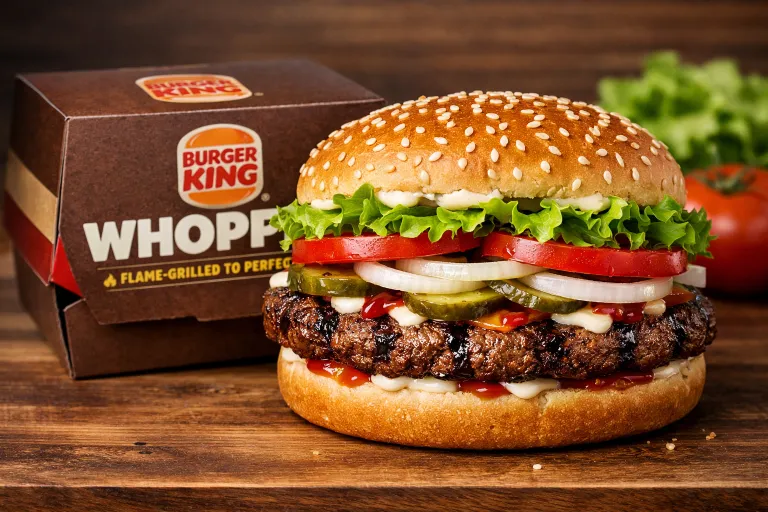
The Burger King Whopper is one of the most recognizable fast-food burgers on the planet. Since its debut in 1957, it has been a symbol of flame-grilled boldness, size, and custom-built burgers. But even beloved classics need to evolve — and 2026 marked one of the biggest Whopper changes in its history. In this deep dive, we’ll explore every major development, why these changes matter, and what fans are saying.
What Is the Whopper?
Introduced in 1957, the Whopper was designed to be a larger, premium alternative to standard fast-food burgers. Its name — “Whopper” — signifies something big and bold. The classic recipe has traditionally included a flame-grilled beef patty with lettuce, tomato, onions, pickles, ketchup, and mayonnaise on a sesame seed bun.
From day one, Burger King’s flame-grilled approach made the Whopper stand out from competitors that cooked on flat grills. That cooking style remains one of its signature features to this day.
History of Whopper Changes
Though the Whopper’s core identity has remained largely consistent, several subtle changes have taken place over decades:
Early Modifications
- 1970s: The original plain bun was replaced with a sesame seed bun, cementing the Whopper look many know today.
- 1980s: Patty sizing adjustments were made to align the Whopper with customer taste preferences.
Burger King also experimented with packaging, limited-time editions, and custom variations as competitors like McDonald’s and Wendy’s innovated.
The 2026 Whopper Update — First Major Change in a Decade
In February 2026, Burger King announced a significant update to the Whopper — the first in nearly 10 years. The goal? To refine the fan-favorite burger while maintaining what people already love about it.
What Changed
Here’s what’s new with the 2026 Whopper:
- Premium Bun: A better-tasting, more substantial bun designed to resist sogginess and feel more satisfying with every bite.
- Upgraded Mayonnaise: A “better tasting” mayo with creamier texture and nuanced flavor, enhancing overall balance.
- Box Packaging: The Whopper is now served in a box instead of a simple paper wrapper — a practical move to prevent squashing and improve presentation.
- Fresh Cut Toppings: While not new, the burger is now intentionally “stacked tall” with freshly cut onions and ripe tomatoes to improve visual and eating appeal.
Importantly, the core flame-grilled beef patty and classic toppings (lettuce, tomato, onions, pickles, ketchup, etc.) remain unchanged — a strategic move to retain brand loyalty.
Why Burger King Made These Changes
In public statements, Burger King explained that the 2026 changes were inspired by direct guest feedback. The company even encouraged customers to text or call the President of Burger King U.S. and Canada, Tom Curtis, to share ideas — a unique transparency move in the fast-food industry.
BK’s leadership stated the goal wasn’t to completely reinvent the Whopper, but to elevate the quality and presentation without alienating loyal fans.
Ingredient Shifts Over Time
Removal of Artificial Ingredients
In 2020, Burger King announced that its Whopper would contain no artificial colors, flavors, or preservatives in the U.S., aligning with evolving consumer tastes for “real” food.
This change was part of a broader industry trend toward cleaner labels, with chains responding to customer preferences for transparency and perceived healthiness.
Impossible Whopper and Plant-Based Trends
In 2019, Burger King introduced the Impossible Whopper, a plant-based version featuring an Impossible Foods patty designed to taste like beef — a move responding to growing vegetarian and flexitarian demand.
While not a change to the classic Whopper, it shows how the brand adapted the Whopper concept for a new audience.
Packaging Overhaul: Wrappers to Boxes
The decision to move from paper wrap to clamshell-style boxes might seem small, but it reflects deep consumer data.
Customers frequently complained that the Whopper arrived squished or messy — a common issue with wrapped burgers during drive-thru or delivery orders. The sturdier box aims to:
- Maintain warmth and structural integrity
- Reduce mess during transit
- Improve perceived quality and presentation
This packaging move also signals that Burger King sees the Whopper not just as food, but as an experience worth preserving.
Variations & Limited Editions
Beyond core changes, the Whopper platform has hosted multiple limited-time and creative variations, including:
Maple Bourbon BBQ Whopper (2026 Return)
A fan favorite with bacon, maple bourbon BBQ sauce, jalapeños, and more — brought back due to popular demand from Burger King’s “Whopper By You” creative contest.
Ultimate & Steakhouse Whoppers
Burger King has experimented with steakhouse-style builds featuring onion rings, mushrooms, peppercorn aioli, and Swiss cheese — showing the brand’s willingness to innovate while leveraging the Whopper’s classic base.
These limited editions help refresh interest in the Whopper platform and drive social media buzz.
Fan Reactions & Community Feedback
On social platforms like Reddit, fan reactions to the 2026 changes have been mixed:
Positive Reactions
- Some fans praise the new bun and box packaging as quality improvements.
- Others feel the updated mayo adds a more premium flavor profile.
Critical Voices
- Some users miss the old bun texture and feel the new version isn’t as satisfying.
- Packaging boxes have drawn mixed reviews from restaurant workers and consumers alike.
These reactions show that even small tweaks to a cherished burger can divide audiences — but that discussion generates free publicity and keeps the Whopper relevant.
How the Fast-Food Landscape Is Changing
Burger King’s updates come amid a broader renaissance in fast food:
- Competitors like McDonald’s are launching flagship products like the Big Arch Burger to vie for market share.
- Clean ingredient claims and packaging improvements are industry wide.
- Consumer demand for customization and transparency continues to rise.
The Whopper’s evolution reflects both nostalgia and innovation — a balancing act in today’s fast-food wars.
What This Means for Burger King’s Future
By modernizing its most iconic product, Burger King signals:
- It’s listening to customer feedback more than ever.
- It recognizes food experience matters — from packaging to taste.
- It aims to retain fans while attracting new generations of customers.
Whether these changes lead to higher sales or long-term loyalty, the Whopper’s evolution keeps Burger King in headlines — and in conversations at every dinner table.
Conclusion
The Whopper changes of 2026 are more than cosmetic — they’re a statement. Burger King isn’t abandoning tradition, but enhancing it. From premium buns and creamier mayo to smarter packaging and fan-inspired tweaks, the Whopper continues to evolve in a competitive food landscape.
Whether you’re a longtime Whopper lover or a curious newcomer, these changes make one thing clear: the fast-food world never stands still.