Football is a game of passion, precision, and identity. Every detail matters—from tactics to team spirit—and yes, even the jerseys players wear. But what happens when those jerseys fail to do their most basic job: distinguish teams clearly?
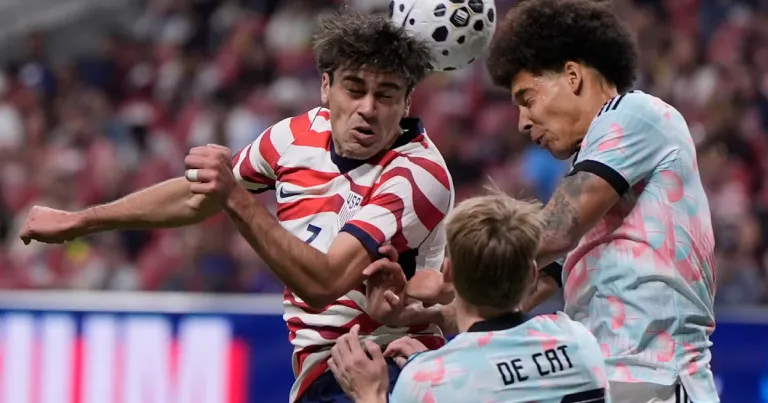
That’s exactly what unfolded in a recent international clash between the United States and Belgium. What should have been a thrilling contest turned into a visual mess, sparking confusion among players and outrage among fans.
Let’s dive deep into what happened, why it matters, and how something as simple as a jersey choice can shake the entire football ecosystem.
What Happened: A Match Overshadowed by Confusion
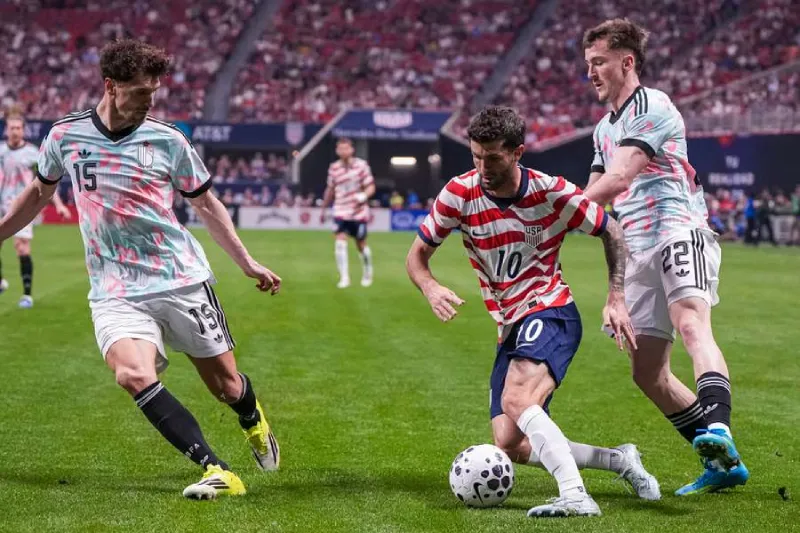
During the match, both teams appeared in kits that were visually similar—particularly in terms of color tone and contrast. For fans watching on TV and even players on the pitch, distinguishing between the two sides became unexpectedly difficult.
The United States squad, often recognized for their bold and distinct kit colors, wore a design that clashed heavily with Belgium’s traditional color palette. The result? A chaotic viewing experience where passes, positioning, and gameplay became harder to follow.
Even commentators struggled at times, with viewers flooding social media platforms like Twitter to express frustration.
Why Kit Clashes Are a Big Problem
At first glance, a kit clash might seem like a minor inconvenience. But in reality, it can significantly impact the game:
1. Player Performance
Footballers rely on split-second decisions. When both teams look similar, it can lead to:
- Misplaced passes
- Delayed reactions
- Defensive errors
In high-stakes matches, even a moment of hesitation can change the outcome.
2. Fan Experience
Modern football is as much about entertainment as it is about competition. Fans watching at home expect clarity. A confusing visual experience:
- Reduces engagement
- Frustrates viewers
- Impacts broadcast quality
3. Broadcast & Commercial Impact
Broadcasters invest millions in delivering top-tier coverage. When visuals fail, it affects:
- Viewer retention
- Advertising value
- Overall brand perception of the sport
Social Media Backlash: Fans Speak Out
Within minutes of kickoff, fans took to social media to express their dissatisfaction.
Comments ranged from humorous memes to serious criticism:
- “Who approved these kits?”
- “I can’t tell who’s passing to whom!”
- “This is amateur-level planning.”
The backlash highlighted how passionate fans are—not just about the game, but about every detail surrounding it.
Platforms like Instagram and Twitter were flooded with screenshots comparing the kits, emphasizing how similar they appeared under stadium lighting.
Players’ Perspective: Confusion on the Pitch
It wasn’t just fans who were struggling—players reportedly faced confusion too.
In fast-paced moments, identifying teammates becomes instinctive. But when visual cues are compromised, instinct falters.
Several players hinted post-match that:
- It was harder to track teammates in peripheral vision
- Quick passes felt riskier
- Defensive marking became more challenging
Even elite athletes aren’t immune to visual ambiguity.
How Kit Selection Works (And Where It Failed)
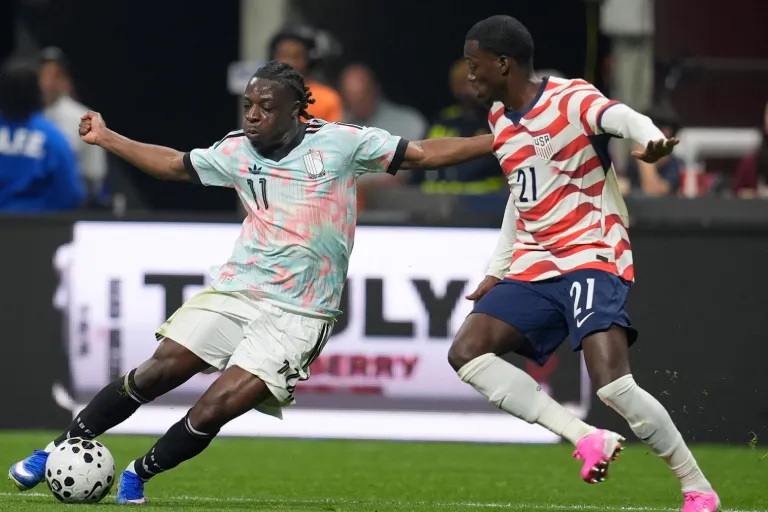
Typically, match officials and governing bodies follow strict guidelines to avoid such clashes. Teams usually submit:
- Home kit
- Away kit
- Alternate (third) kit
Officials then decide which combinations ensure maximum contrast.
However, in this case, the system clearly failed.
Whether it was due to poor planning, last-minute changes, or oversight, the result was a scenario that should never happen at the professional level.
Historical Kit Clashes: Not the First Time
This isn’t the first time football has faced such issues.
Over the years, there have been several notable kit clashes:
- Teams wearing similar shades under floodlights
- Goalkeepers blending in with outfield players
- Colorblind viewers struggling with certain combinations
In fact, colorblind-friendly kit design has become a major discussion point in recent years.
Organizations have even started consulting experts to ensure inclusivity and clarity.
The Role of Governing Bodies
Entities like FIFA and continental federations are responsible for maintaining standards.
Their responsibilities include:
- Approving kit designs
- Ensuring visual contrast
- Coordinating with broadcasters
This incident raises serious questions:
- Are current guidelines outdated?
- Is there enough testing under real match conditions?
- Should technology be used to simulate visibility?
The Psychology of Colors in Football
Colors aren’t just aesthetic—they influence perception and performance.
Studies suggest that:
- Bright, contrasting colors improve reaction time
- Similar shades increase cognitive load
- Visual confusion can lead to mistakes
For players operating at peak intensity, clarity is everything.
Technology Could Be the Solution
Modern technology offers several ways to prevent such issues:
1. AI-Based Contrast Testing
Simulating how kits appear under:
- Stadium lighting
- Different camera angles
- Various screen resolutions
2. Colorblind Simulation Tools
Ensuring accessibility for millions of viewers worldwide.
3. Real-Time Approval Systems
Allowing last-minute checks before kickoff.
If implemented properly, these tools could eliminate kit clashes entirely.
Lessons Learned from the Incident
This controversy offers several takeaways:
- Preparation Matters: Even small details require attention
- Fan Experience Is Key: Visual clarity directly impacts engagement
- Accountability Is Needed: Mistakes must be acknowledged and fixed
What Fans Want Going Forward
Football fans are clear about their expectations:
- Distinct, high-contrast kits
- Better planning from organizers
- Transparency in decision-making
The modern fan is informed, vocal, and unwilling to accept avoidable mistakes.
The Bigger Picture: Protecting the Game’s Integrity
Football is the world’s most popular sport. Its global appeal depends on:
- Fair competition
- Clear visuals
- Professional standards
Incidents like this may seem minor, but they chip away at the sport’s credibility.
Ensuring clarity isn’t just about aesthetics—it’s about respecting the game and its audience.
Conclusion: A Simple Fix That Shouldn’t Be Ignored
The US vs Belgium kit clash serves as a reminder that even the smallest details can have a massive impact.
In a sport driven by precision, there’s no room for avoidable confusion.
With better planning, smarter technology, and stricter enforcement, such incidents can—and should—be prevented.
Because at the end of the day, football is about skill, passion, and clarity—not guesswork.