The global economy rarely moves in isolation. Political tensions, wars, supply disruptions, and energy markets often ripple across borders and affect millions of households worldwide. Recently, the inflation rate in the United Kingdom remained steady at 3%, offering temporary relief to consumers and policymakers alike. However, this stability may not last long.
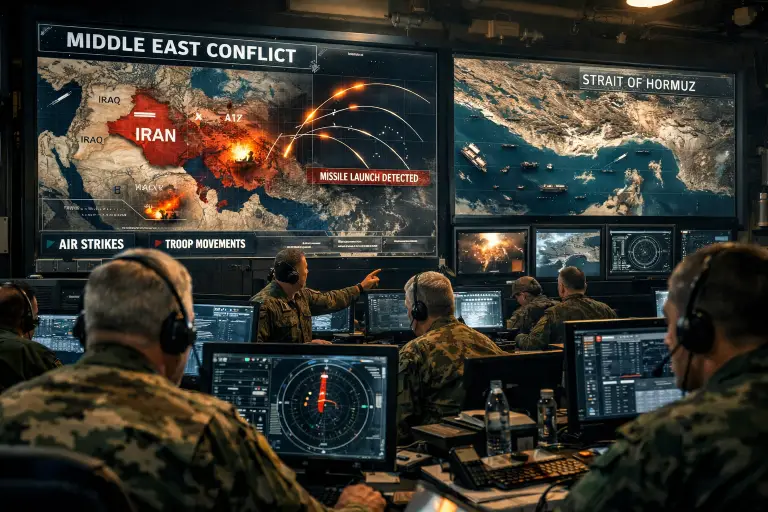
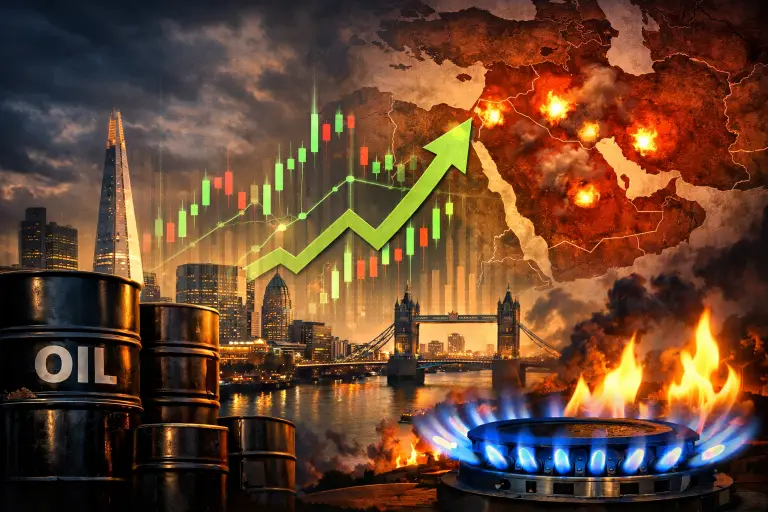
As geopolitical tensions escalate due to the 2026 Iran War, global oil and gas prices have begun to surge. Energy markets are particularly sensitive to disruptions in the Middle East, a region responsible for a significant share of the world’s energy supply. Economists now warn that the UK could soon face another wave of inflation driven primarily by rising fuel and energy costs.
The latest figures released by the Office for National Statistics show that inflation remained unchanged in February at 3%, matching economists’ expectations but still above the 2% target set by the Bank of England.
But while the numbers look stable for now, experts believe the real impact of the Middle East conflict has yet to appear in official statistics.
In this article, we will explore:
- Why UK inflation held steady at 3%
- How the Iran war is influencing global energy prices
- What rising oil prices mean for the UK economy
- How households may feel the impact
- What policymakers might do next
Let’s dive deeper into the story behind the numbers.
Understanding the UK’s Current Inflation Rate
Inflation measures the rate at which prices for goods and services rise over time. In the UK, this is tracked primarily through the Consumer Prices Index (CPI).
According to the Office for National Statistics, CPI inflation remained at 3% in February 2026, unchanged from the previous month.
Although this figure suggests stability, it is still higher than the 2% target set by the Bank of England, meaning prices are rising faster than policymakers ideally want.
Several factors contributed to keeping inflation stable:
1. Lower Fuel Prices Earlier in the Year
Fuel prices had been falling before the conflict escalated in the Middle East, helping offset rising costs in other sectors.
2. Declining Food Inflation
Food price inflation slowed slightly thanks to cheaper ingredients and improved supply chains. Some food items even saw small price reductions.
3. Moderate Service Inflation
Services inflation fell to about 4.2%, its lowest level since early 2022.
Together, these factors balanced out price increases in areas such as clothing and footwear.
However, the stability seen in February may prove temporary.
The Iran War and Its Impact on Global Energy Markets
The Middle East plays a central role in the global energy system. A significant portion of the world’s oil and natural gas flows through the Strait of Hormuz, one of the most important energy shipping routes on the planet.
The ongoing 2026 Iran War has disrupted shipping routes, energy production, and global supply chains.
As a result:
- Oil prices have surged
- Natural gas prices have spiked
- Energy markets have become highly volatile
In fact, analysts say the conflict has already caused temporary supply disruptions affecting nearly 20% of global oil and gas shipments.
For energy-importing countries like the UK, this is a serious concern.
The UK relies heavily on imported fuel, meaning global energy price increases quickly translate into higher domestic costs.
Why Energy Prices Drive Inflation
Energy prices are one of the most powerful drivers of inflation.
When oil and gas prices rise, the cost of producing and transporting goods also increases. Businesses often pass these costs on to consumers.
Higher energy costs can influence:
- Transportation
- Food production
- Manufacturing
- Electricity bills
- Heating costs
For example:
- Higher fuel prices increase the cost of transporting food.
- Manufacturing plants pay more for electricity.
- Airlines raise ticket prices due to higher jet fuel costs.
All of this contributes to higher inflation.
Even a small increase in energy costs can ripple across the entire economy.
Warning Signs: Inflation Could Rise Again
Although inflation currently sits at 3%, economists warn that the figure could rise significantly in the coming months.
Some forecasts suggest UK inflation could climb to around 3.5% or higher by mid-2026 due to energy price increases.
Other projections indicate it could even approach 5% later in the year if the conflict intensifies.
The biggest factors influencing future inflation include:
Oil Prices
Crude oil prices surged after energy facilities in the Middle East were targeted during the conflict.
Natural Gas Supply
Europe remains heavily dependent on imported gas, making the region vulnerable to disruptions.
Shipping and Trade
Global shipping routes have become more uncertain due to security concerns.
If these disruptions continue, energy prices may stay elevated for months.
What It Means for UK Households
For everyday consumers, inflation is not just an economic statistic—it affects daily life.
If inflation rises due to energy prices, households may experience:
Higher Fuel Costs
Petrol prices have already begun to rise again after falling earlier in the year.
Increased Energy Bills
The UK energy price cap may increase later in 2026, pushing household energy bills higher.
More Expensive Groceries
Food production and transportation costs increase when energy prices rise.
Higher Mortgage Rates
Inflation often forces central banks to maintain higher interest rates.
These factors combined could lead to another cost-of-living squeeze for millions of households.
The Bank of England’s Policy Dilemma
The Bank of England now faces a difficult decision.
Before the Iran conflict escalated, economists believed the central bank might soon begin cutting interest rates.
However, the surge in energy prices has changed the outlook.
If inflation begins rising again, policymakers may have to:
- Delay interest rate cuts
- Keep borrowing costs high
- Possibly raise rates further
This balancing act is extremely difficult.
Higher interest rates can reduce inflation but may also slow economic growth.
Government Response and Support Measures
The UK government is closely monitoring the situation.
Officials have hinted at possible support measures if energy prices spike dramatically.
These could include:
- Targeted energy bill support
- Assistance for vulnerable households
- Market interventions to stabilize supply
However, policymakers have indicated that broad nationwide subsidies are unlikely unless the situation worsens significantly.
Instead, the focus may be on targeted support for those most affected by rising costs.
Global Economic Ripple Effects
The impact of the Iran war extends far beyond the UK.
Across Europe and the global economy, governments are facing similar challenges.
Countries dependent on energy imports are particularly vulnerable to rising oil prices.
Economists warn that prolonged conflict could lead to:
- Higher inflation worldwide
- Slower economic growth
- Increased risk of recession
In some scenarios, inflation across Europe could exceed 4% depending on the duration of the war.
This highlights how closely interconnected global economies have become.
Could the UK Face Another Cost-of-Living Crisis?
The UK experienced a severe cost-of-living crisis between 2022 and 2024, largely driven by energy price spikes following geopolitical tensions in Eastern Europe.
Many economists fear that a similar situation could re-emerge if the Iran conflict continues to disrupt global energy supplies.
However, there are also reasons for cautious optimism.
Supply chains today are more resilient than they were during previous crises, and governments have more tools to manage inflation.
Still, much depends on how the geopolitical situation evolves.
The Road Ahead
For now, the UK economy stands at a crossroads.
Inflation remains relatively stable, but warning signs are emerging.
The key factors to watch in the coming months include:
- Oil price trends
- Gas supply disruptions
- Central bank policy decisions
- The duration of the Iran conflict
If energy markets stabilize, inflation could gradually fall toward the Bank of England’s 2% target.
But if the conflict escalates, households may face renewed financial pressure.
Conclusion
The latest inflation data offers a snapshot of the UK economy at a moment of calm before potential turbulence.
At 3% inflation, price growth is stable but still above the ideal target. Yet the global energy shock triggered by the 2026 Iran War could quickly change the economic outlook.
Rising oil and gas prices threaten to push inflation higher again, creating difficult choices for policymakers and renewed challenges for households.
For now, the numbers remain steady—but the real test for the UK economy may still lie ahead.