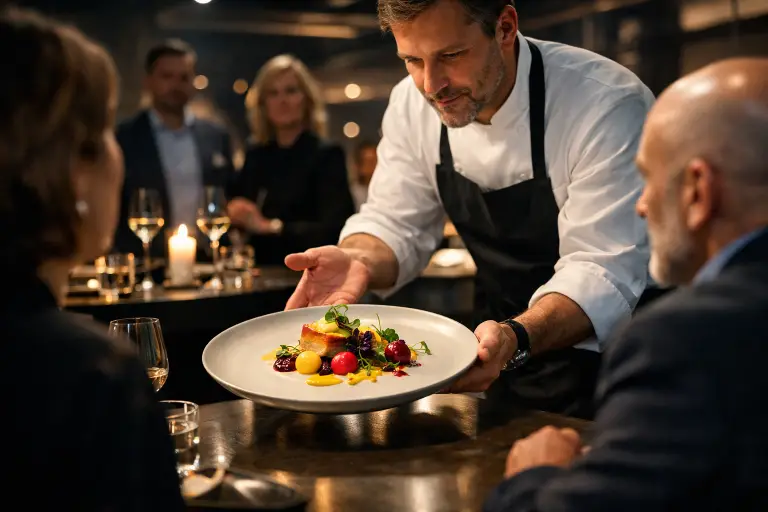
Food has always been essential to survival, culture, and social life. But in recent years, a fascinating question has gained global attention: Can food be considered art? In Denmark, this question has moved beyond philosophy into a national debate involving chefs, art critics, policymakers, and food enthusiasts.
As Denmark’s world-renowned culinary scene continues to push boundaries, the country is now exploring whether gastronomy should officially be recognized as an art form. The proposal has sparked passionate arguments on both sides. Some chefs believe cooking can be a powerful artistic expression, while critics argue that food’s primary purpose is nourishment, not artistic communication.
This article explores Denmark’s debate, the role of modern gastronomy, and the broader question: Is food truly art?
The Rise of Gastronomy as an Artistic Experience
Over the past two decades, Denmark has transformed into one of the world’s most influential culinary destinations. The country’s modern restaurant culture, driven by innovative chefs and experimental cooking techniques, has elevated food beyond simple dining.
Restaurants today often provide immersive experiences, where the meal involves storytelling, design, music, and visual spectacle. Diners are not just eating—they are participating in a creative performance.
A striking example is the Copenhagen restaurant Alchemist, which offers diners a multi-hour experience with dozens of courses designed to provoke emotions and reflection. Some dishes even address social issues such as environmental pollution or surveillance.
The chef behind the restaurant has described food as a medium of expression, much like painting or music. Through ingredients, textures, and presentation, chefs aim to communicate ideas and emotions to their guests.
Supporters of the artistic view say this demonstrates how gastronomy can transcend traditional cooking and become a form of creative storytelling.
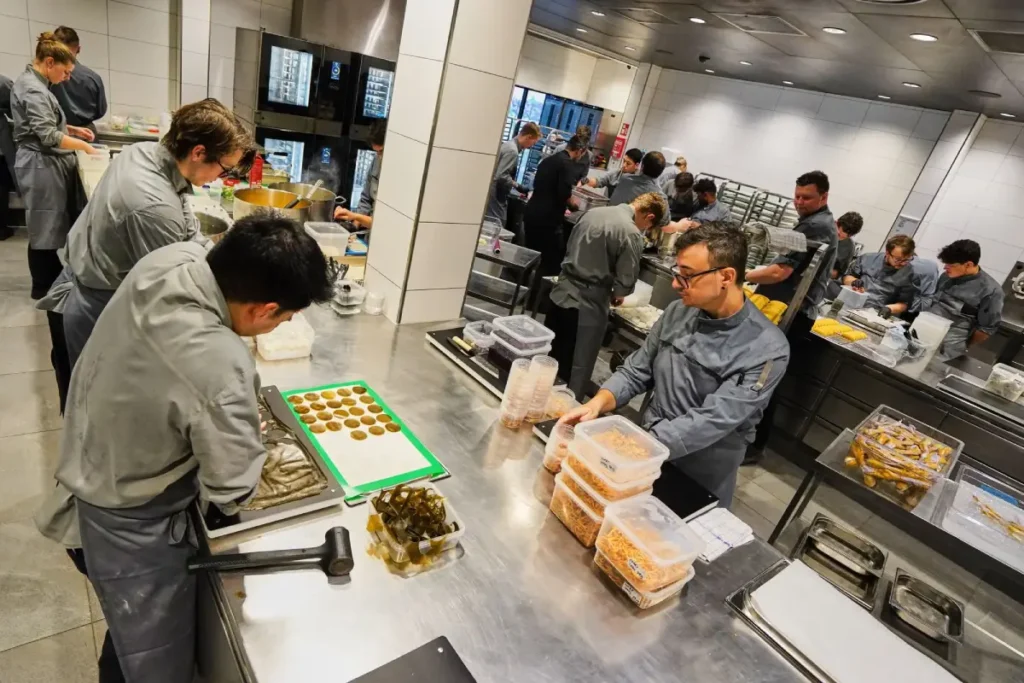
Denmark’s Proposal to Recognize Food as Art
The debate intensified when Denmark’s Ministry of Culture announced it would examine whether gastronomy should be officially recognized as an artistic discipline.
The initiative was revealed at an international gastronomy symposium attended by leading chefs and industry experts. The proposal suggests that culinary creation could be considered an art form similar to painting, music, or theatre.
If this change were implemented, it could have significant implications:
- Chefs might qualify for state cultural funding
- Gastronomy could gain recognition as a creative discipline
- Culinary innovation might receive more research support
Supporters argue that such recognition would allow chefs to experiment more freely and explore food as a cultural and artistic medium.
Denmark has already shown openness to expanding the definition of art. The country has previously recognized digital games and unconventional cultural expressions as part of its artistic landscape.
In this context, recognizing gastronomy as art could be the next step in Denmark’s evolving cultural policy.
The Influence of the New Nordic Cuisine Movement
To understand why this debate is happening in Denmark, we must examine the New Nordic cuisine movement.
The movement gained international attention through innovative restaurants emphasizing:
- Local ingredients
- Seasonal produce
- Sustainability
- Foraging and fermentation
This philosophy helped transform Denmark’s culinary identity from traditional dishes into experimental gastronomy.
The success of Danish restaurants on the global stage has reinforced the idea that cooking can be a creative discipline comparable to other arts.
Today, Denmark hosts dozens of Michelin-starred restaurants and attracts food tourists from around the world.
In such an environment, it is not surprising that chefs and policymakers are reconsidering the role of gastronomy in culture.
Why Some Chefs Believe Food Is Art
Many chefs strongly support the idea that food can be art.
Their argument is based on several key factors:
1. Creativity and Innovation
Creating a dish requires imagination. Chefs experiment with flavors, textures, colors, and presentation in the same way painters experiment with colors and shapes.
Designing a new menu can involve months of research and experimentation, similar to an artist developing a new work.
2. Emotional Impact
Art often aims to evoke emotions. Supporters say food can do the same.
A particular taste can trigger nostalgia, joy, or surprise. Some diners even report emotional reactions to carefully designed meals.
Chefs argue that when food creates such powerful emotional responses, it goes beyond simple nourishment.
3. Multi-Sensory Experience
Unlike many traditional art forms, food engages multiple senses simultaneously:
- Taste
- Smell
- Sight
- Texture
Modern restaurants also incorporate lighting, music, and storytelling to create immersive experiences.
This multi-sensory dimension makes gastronomy uniquely powerful as a form of artistic expression.
4. Cultural Storytelling
Many chefs view their cuisine as a way to tell stories about culture, environment, and society.
For example, dishes may reflect:
- Local landscapes
- Seasonal ingredients
- Environmental issues
- Social themes
This narrative element aligns closely with other artistic practices.
The Critics: Why Some Say Food Is Not Art
Despite the enthusiasm of many chefs, critics remain skeptical.
Art historians, cultural commentators, and even some chefs argue that gastronomy should not be classified as art.
Their concerns fall into several categories.
1. Food Has a Practical Purpose
The strongest argument against the idea is that food’s primary function is to feed people.
Art, by contrast, exists primarily for expression or contemplation.
Critics say that because food must be consumed, it cannot fully function like traditional art forms.
2. Temporary Nature of Food
Unlike paintings, sculptures, or music recordings, food disappears once eaten.
This raises philosophical questions about whether something so temporary can truly qualify as art.
While performance art also disappears after it ends, critics argue that culinary creations still serve a practical purpose.
3. Funding Concerns
Another major issue is cultural funding.
If gastronomy becomes officially recognized as art, chefs could compete with painters, musicians, and writers for public funding.
Some members of the art community worry this could reduce financial support for traditional artistic disciplines.
4. Artistic Intent vs Commercial Industry
Many restaurants operate as businesses.
Critics argue that commercial objectives—such as profit and customer satisfaction—limit the kind of expression associated with art.
They believe true artistic expression requires greater freedom from commercial constraints.
Philosophical Perspectives on Food as Art
The debate in Denmark echoes a much older philosophical discussion.
For centuries, thinkers have debated whether cooking can be considered an art form.
Some philosophers classify cooking as a craft, similar to carpentry or pottery.
Craft involves skill, technique, and creativity but is primarily functional.
Others argue that certain culinary creations can cross the boundary into art when they communicate ideas or emotions.
Modern gastronomy—especially experimental fine dining—has strengthened the argument that food can sometimes operate as artistic expression.
However, most scholars agree that not all food qualifies as art.
Just as not every photograph is fine art, not every meal is artistic.
Global Perspectives on Culinary Art
Denmark is not alone in exploring the artistic dimension of food.
Around the world, culinary creativity has become increasingly celebrated.
Examples include:
- Avant-garde Spanish cuisine
- Molecular gastronomy
- Japanese kaiseki dining
- Modern tasting menus in luxury restaurants
Some countries have already recognized culinary traditions as cultural heritage.
For example, Italian cuisine has received international cultural recognition, highlighting its historical and cultural importance.
However, officially classifying gastronomy as fine art remains rare.
If Denmark moves forward with its proposal, it could become one of the first countries to take such a step.
The Future of Food and Art
Regardless of the final decision, the debate itself reflects how dramatically global food culture has evolved.
Today, chefs are not only cooks but also:
- Researchers
- Designers
- Storytellers
- Cultural ambassadors
Restaurants increasingly resemble theaters or galleries, where each dish contributes to a larger narrative experience.
The challenge lies in balancing these two perspectives.
Why This Debate Matters
The discussion about food as art may seem philosophical, but it has real implications.
Recognizing gastronomy as art could influence:
- Cultural funding policies
- Culinary education
- Restaurant innovation
- Food tourism
It may also reshape how society values creative work in kitchens around the world.
Most importantly, the debate encourages us to reconsider how we define art itself.
Is art limited to traditional forms like painting and sculpture?
Or can it include creative practices that engage all the senses?
Conclusion: Is Food Truly Art?
The question “Can food be art?” may never have a single answer.
For some people, food will always remain a practical craft focused on nourishment.
For others, the creativity, storytelling, and emotional impact of modern gastronomy clearly place it within the world of art.
Denmark’s ongoing debate reflects a broader shift in how society views creativity and culture.
Whether or not gastronomy officially becomes recognized as art, one thing is clear:
Food today is far more than fuel for the body.
It is an experience, a cultural expression, and sometimes—when crafted with extraordinary imagination—a form of art that can be tasted.