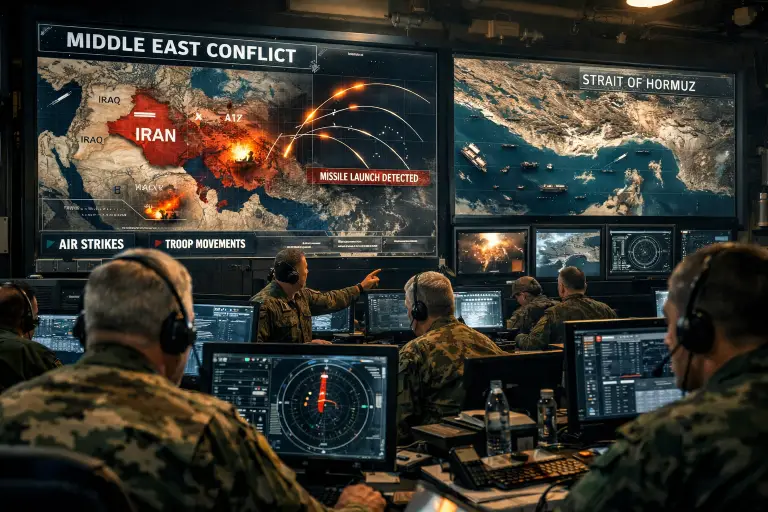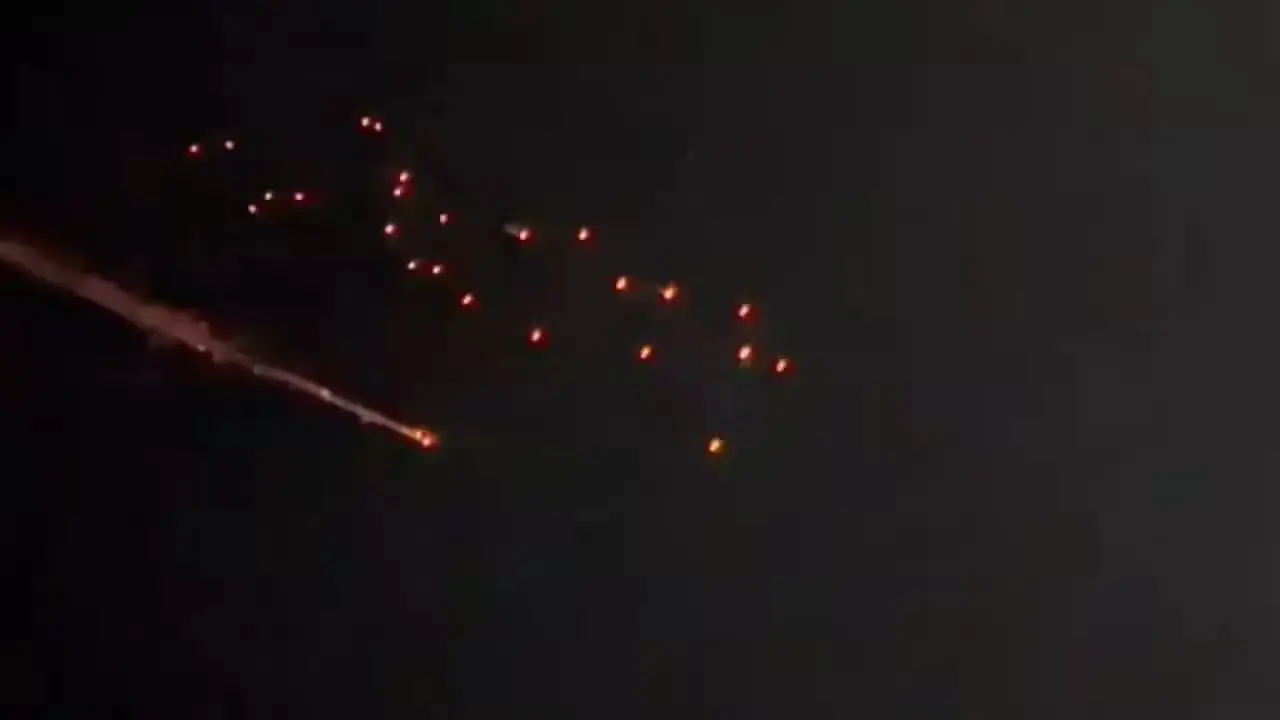
The ongoing conflict between Iran and Israel has entered a dangerous new phase after the Israeli military alleged that Iran used cluster bomb warheads in missile attacks targeting Israeli territory. This development has triggered serious global concern because cluster munitions are among the most controversial weapons in modern warfare due to their indiscriminate impact and long-term danger to civilians.
According to Israeli defense officials, several ballistic missiles launched from Iran contained cluster bomb warheads that dispersed numerous smaller explosives over a wide area. These submunitions can cover large sections of land, increasing the risk to civilians and infrastructure alike.
This escalation highlights the rapidly intensifying military confrontation between the two regional powers and raises questions about international humanitarian law, civilian safety, and the broader geopolitical consequences of the conflict.
In this article, we explore what cluster bomb warheads are, why their alleged use is controversial, and how this development may affect the ongoing Middle East crisis.
Understanding the Israel–Iran Conflict
Tensions between Iran and Israel have existed for decades, rooted in ideological differences, geopolitical rivalry, and disputes over Iran’s nuclear program and regional influence.
The situation escalated dramatically in 2026 when Israel launched a large-scale military offensive against Iranian targets, reportedly with support from the United States. The operation targeted military infrastructure, missile sites, and strategic facilities inside Iran.
Iran responded with missile and drone strikes against Israeli territory and allied bases across the Middle East. As the conflict expanded, neighboring countries and proxy groups became increasingly involved, raising fears of a wider regional war.
The alleged use of cluster bomb warheads marks one of the most controversial developments in this rapidly evolving confrontation.
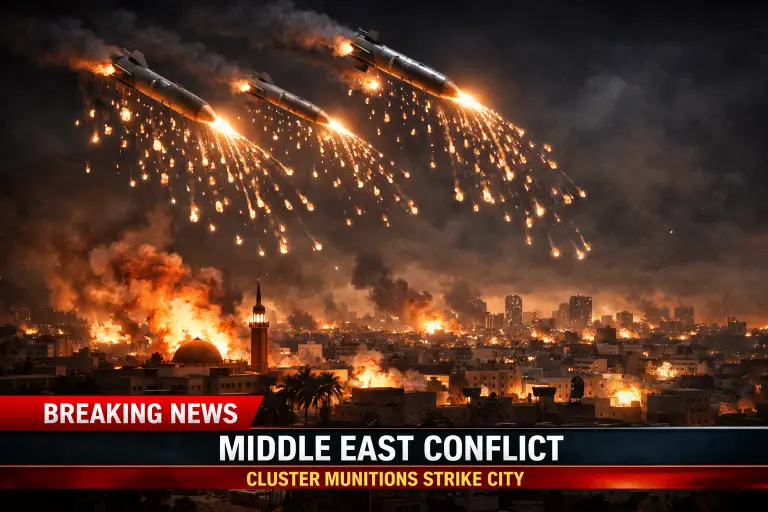
What Are Cluster Bomb Warheads?
Cluster bomb warheads are weapons designed to release dozens or even hundreds of smaller explosives known as “submunitions” or “bomblets.” Instead of exploding at a single target, the main warhead bursts in mid-air and spreads these submunitions across a wide area.
Cluster munitions can be delivered by:
- Ballistic missiles
- Rockets
- Artillery shells
- Aircraft bombs
Once released, the submunitions fall over a large radius and detonate upon impact. However, many fail to explode immediately, leaving unexploded bombs scattered across the ground.
These unexploded remnants can remain dangerous for years or even decades after a conflict ends.
Because of these risks, cluster bombs are widely criticized by humanitarian organizations and have been banned by an international treaty known as the Convention on Cluster Munitions.
Why Cluster Bombs Are Highly Controversial
Cluster munitions are considered controversial for several reasons.
1. Indiscriminate Impact
Unlike precision weapons that strike a specific target, cluster bombs spread explosives over large areas. This makes it difficult to avoid civilian areas, particularly in densely populated regions.
Military analysts warn that the use of such weapons dramatically increases the risk of civilian casualties.
2. Long-Term Danger
Many submunitions fail to detonate immediately. These unexploded bomblets remain hidden in fields, roads, or residential areas and can explode later when touched or moved.
Children are especially vulnerable because unexploded bomblets often resemble small toys or objects.
3. Humanitarian Concerns
Human rights organizations argue that cluster munitions violate international humanitarian law because they cannot reliably distinguish between military targets and civilians.
A large number of countries have therefore agreed to ban their use entirely under the international treaty on cluster munitions. However, not all nations are signatories to this agreement.
Israel’s Allegation Against Iran
The Israeli military claims that Iran fired several ballistic missiles equipped with cluster bomb warheads during the ongoing conflict.
According to defense officials, these warheads released multiple submunitions mid-air, spreading explosives across a wide radius rather than striking a single target.
Reports suggest that each missile could disperse dozens of bomblets over a large area, increasing the destructive footprint of the attack.
Israeli authorities say such weapons pose a major threat to civilians because of their unpredictable spread and the possibility of unexploded remnants.
At the time of reporting, Iran had not publicly confirmed the use of cluster munitions.
Civilian Risks and Humanitarian Concerns
The alleged deployment of cluster bomb warheads has raised alarm among international observers and humanitarian organizations.
Widespread Damage
Cluster bombs can devastate neighborhoods because the submunitions spread across wide areas rather than hitting a specific location.
Unexploded Ordnance
Unexploded bomblets may remain hidden in streets, farmland, or buildings. This makes post-war recovery and reconstruction extremely dangerous.
Long-Term Impact
Communities affected by cluster munitions often suffer for years due to unexploded bombs that remain buried underground.
This has been seen in previous conflicts such as wars in Lebanon, Iraq, and Southeast Asia.
Historical Use of Cluster Bombs in Conflicts
Cluster munitions have been used in several conflicts throughout modern history.
Vietnam War
The United States used millions of cluster bombs during the Vietnam War. Many unexploded bomblets still remain in countries like Laos decades later.
Lebanon War (2006)
During the 2006 war between Israel and Hezbollah, both sides used cluster munitions, leaving large areas contaminated with unexploded bombs.
Recent Middle East Conflicts
Cluster weapons have also appeared in conflicts in Syria, Yemen, and Ukraine, drawing widespread international condemnation.
Because of these experiences, many countries have joined global efforts to ban the weapons entirely.
International Law and Cluster Munitions
The Convention on Cluster Munitions, which came into force in 2010, prohibits the use, production, transfer, and stockpiling of cluster bombs.
More than 100 countries have signed the treaty.
However, some major military powers—including Iran, Israel, the United States, Russia, and China—are not parties to the agreement.
This means that while the weapons are widely condemned, they are not universally banned under international law.
Human rights groups argue that even when not legally prohibited, using cluster bombs in populated areas may still violate international humanitarian law.
Strategic Implications for the Middle East
The alleged use of cluster bomb warheads signals a significant escalation in the Israel–Iran conflict.
Increased Civilian Risk
If cluster munitions are indeed being used, civilians in affected regions face heightened danger from both immediate explosions and unexploded submunitions.
Escalation of Military Tactics
The introduction of such weapons suggests that the conflict is becoming more intense and destructive.
Potential International Response
Countries and international organizations may increase diplomatic pressure on both sides to prevent further escalation.
The use of controversial weapons often triggers calls for ceasefires, sanctions, or international investigations.
The Broader Regional Impact
The Israel–Iran conflict is not isolated. It is closely tied to a wider network of alliances and rivalries across the Middle East.
Iran has strong ties with proxy groups such as Hezbollah and other regional militias, while Israel maintains strategic partnerships with Western nations.
Recent developments have already drawn neighboring countries into the conflict, raising fears that the war could expand into a larger regional confrontation.
If the fighting intensifies further, global energy markets, trade routes, and geopolitical stability could all be affected.
What Happens Next?
The future of the conflict remains uncertain.
Several possible scenarios could unfold:
Continued Military Escalation
Both sides may continue launching missile and drone attacks, increasing casualties and destruction.
International Mediation
Global powers or international organizations may attempt to broker a ceasefire.
Regional Expansion
Proxy groups and allied nations could become more deeply involved, turning the conflict into a broader regional war.
At present, the situation remains volatile and unpredictable.
Conclusion
The allegation that Iran used cluster bomb warheads in missile attacks against Israel marks a deeply concerning moment in the ongoing Middle East conflict.
Cluster munitions are widely criticized for their indiscriminate nature and the long-term threat they pose to civilians. Their reported use in the Israel–Iran war highlights the growing intensity of the conflict and the serious humanitarian risks involved.
As the war continues to evolve, the international community will be closely watching developments and calling for measures to protect civilian lives.
Whether through diplomacy, international pressure, or military developments, the coming weeks could prove decisive in shaping the future of this dangerous conflict.